
In the Workshop
A conversation with Light by Raven, the London studio of Joe Hossack, on coming to the craft from the technical side of lighting — and why the line between technical and decorative has stopped making sense.
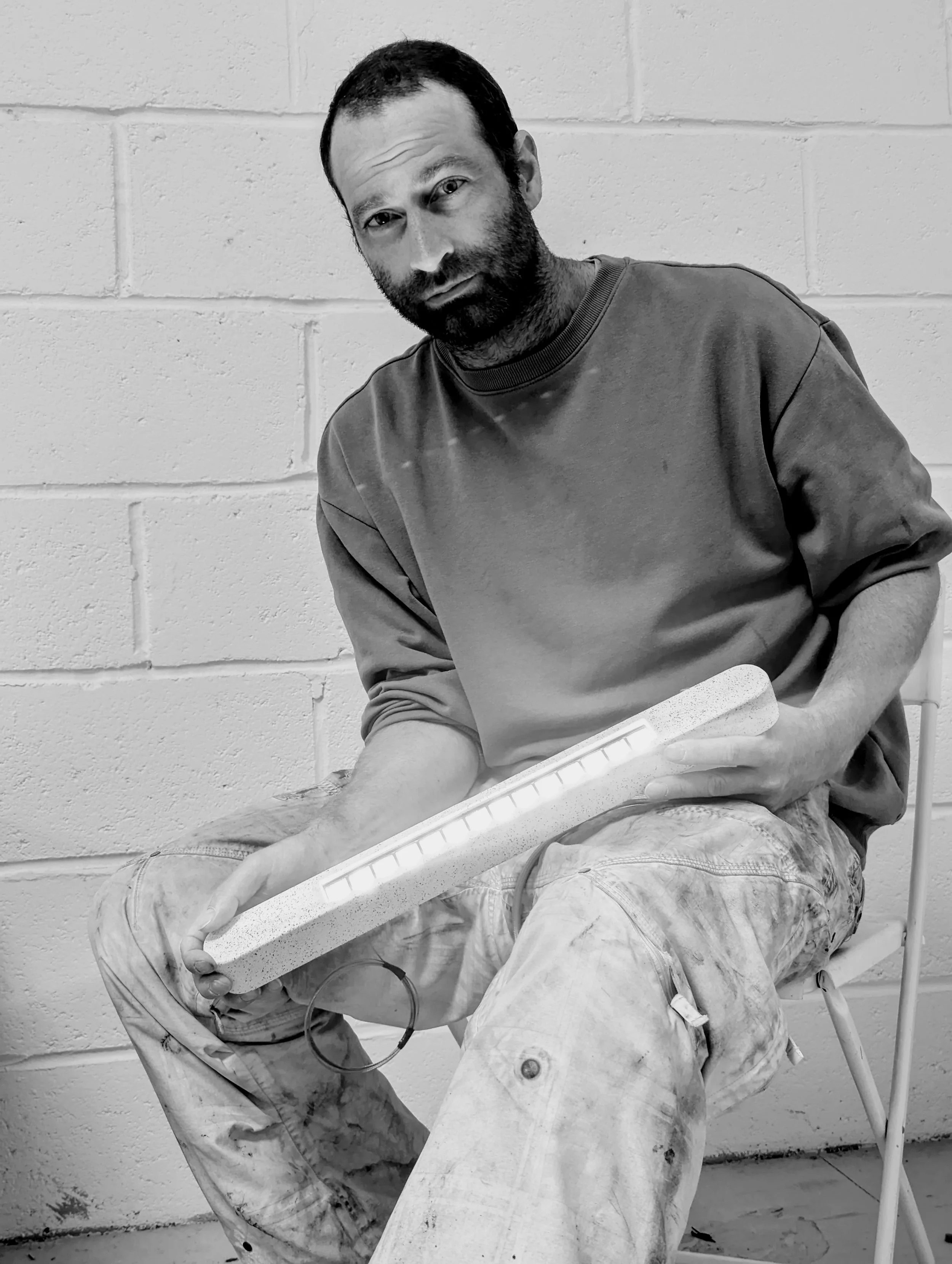
Light by Raven came out of architectural lighting manufacturing rather than craft. How did that shape the studio?
It shaped everything, because it's the reverse of how most decorative studios start. We didn't begin with a love of materials and add light afterwards. We began on the technical side — output, efficacy, colour rendering, control protocols, the specification sheet — and went looking for the making.
What kept nagging us was a divide the industry had inherited rather than chosen. Technical lighting performed beautifully, and much of it is meant to go unseen — that's the brief, and a good one. But too much of it had slid into sameness, into commodity: a sealed extrusion in a handful of RAL colours, a line of light and little else. Decorative lighting looked considered, but the light itself was often an afterthought — a lamp fitted into a handsome object rather than designed with it. There were exceptions, always.
But as a general rule you chose: the fixture that hit the numbers, or the fixture that belonged in the room. We didn't see why that had to be a choice.
So the studio is an attempt to close that gap.
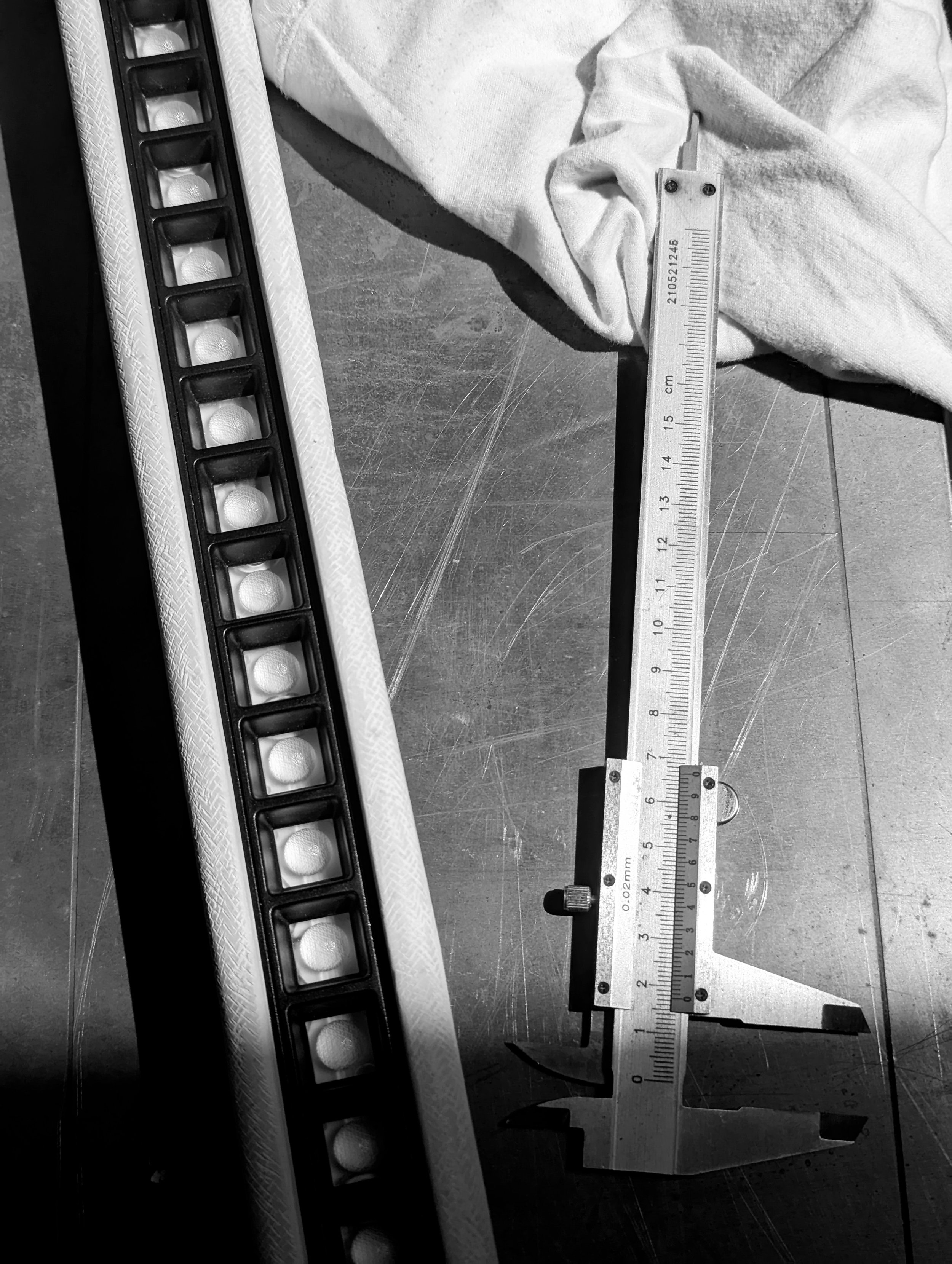
It is the whole reason it exists. We wanted to keep the engineering honest — real photometric performance, proper thermal design, the compliance a commercial project actually needs — and put it inside something cast by hand that you'd want to touch. Not a technical light dressed up, and not a decorative object with a lamp in it. A unified luminaire.
How do you actually make the work?
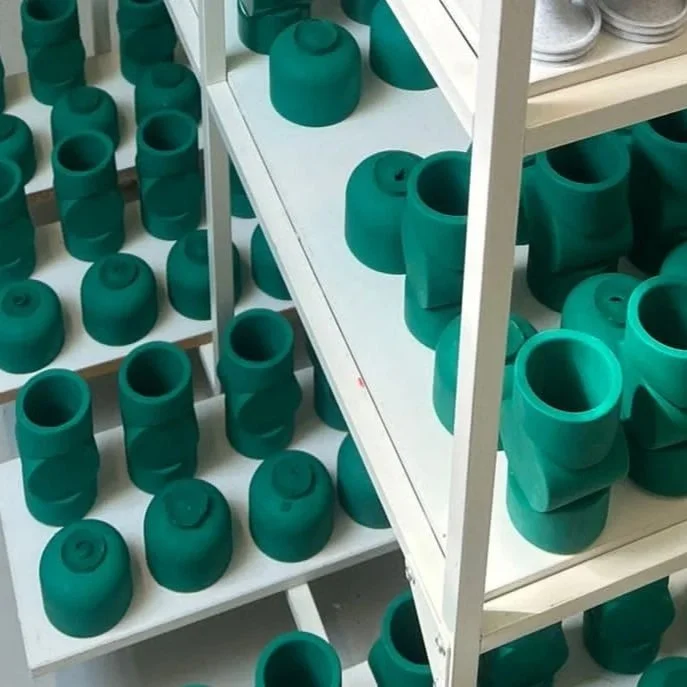
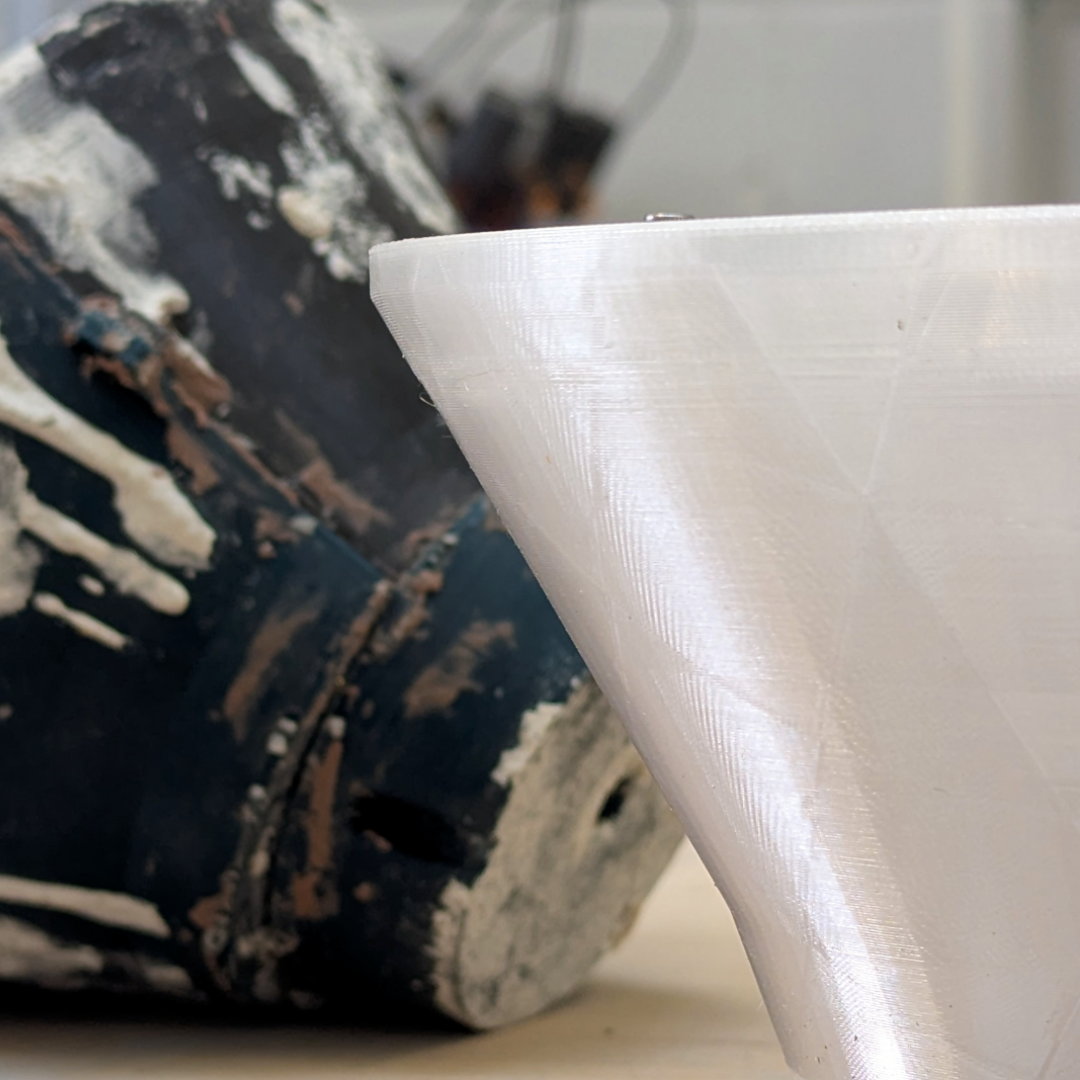
The core of it is 3D printing combined with casting, and the value is mostly in speed and flexibility. We can go from an initial sketch to a printed mould to a finished cast object very quickly, and keep a lot of the process digital along the way. If a curve isn't right, or a client wants the proportions adjusted, that's a file change and a reprint — not a remade tool. It makes aesthetic changes far less painful than traditional methods, where modification usually means starting again.
It also means we're not locked to one scale of production. The same process prints a single mould for a one-off or a run of moulds for volume. Print-on-demand, in the literal sense — we can make what's been ordered rather than a warehouse of guesses.
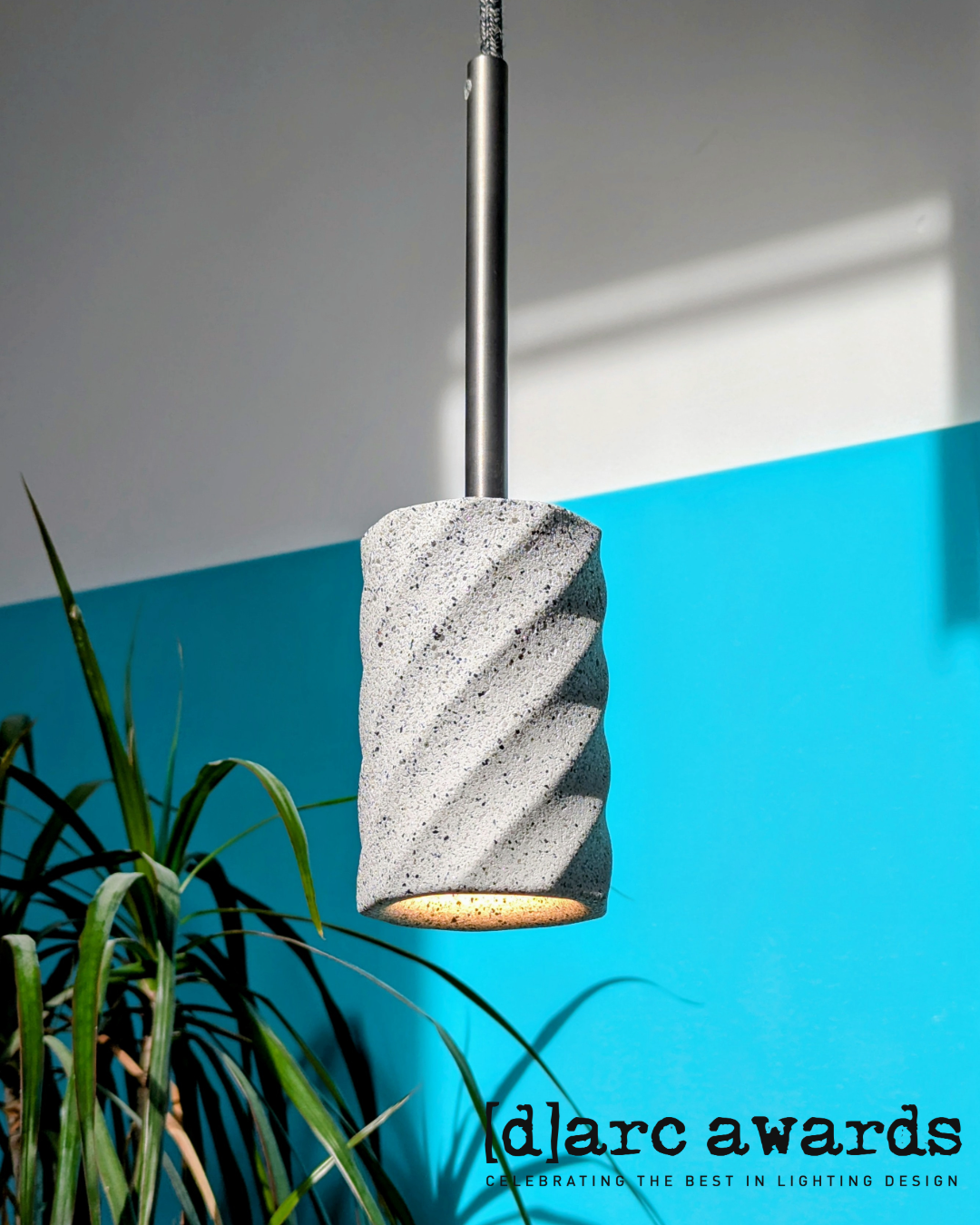
The Minor Descent was your DARC Awards submission. What does it prove?
It's the thesis made into a product. There's a technical inner core — around 125 lumens per watt, up to 1,500 lumens, available in 2700K, 3000K and 4000K, and compatible with DALI, 1–10V and non-dimmable control. That core is a permanent installation. Over it sits a hand-cast housing on a tool-less friction fit, so the entire look can be swapped in under a minute, with no rewiring or ceiling works.
The point is that the specification stays fixed while the finish stays fluid. A designer gets the numbers the building demands, and the room gets something with character — and it can be refreshed years later without touching the electrics.
We are, because it's easy to greenwash and we'd rather not. We don't do things simply because they market as sustainable.
What's genuinely true: printing on demand means we're not tooling up or overproducing, so there's very little waste. We work from base materials in our own workshop — specialist filaments, mineral powders, and reclaimed material we find on site where it actually suits the piece. The printed core is a flame-retardant filament rated to UL94 V0, because longevity and safety are part of this too. And the swap system means a fixture can be updated rather than replaced. That last one is probably the realest sustainability story we have — the luminaire can evolve rather than be discarded, a regenerative lifespan rather than a disposable one. We'd rather say that plainly than dress up the rest.
You're open about sustainability but careful with the word.
All of it here, in London, at The Light Factory on Scrubs Lane. High-tier technical components come from a global supply chain, but the transformation into a finished luminaire happens under one roof. It's a deliberately local way of working.
Where is the work made?
And the name — Light By Raven?
Two threads. There's Poe, which we like for one specific reason: nevermore. Not as gothic decoration, but as a decision. Nevermore the old divide between technical and decorative — a conscious break with the way it's always been split. And there's the raven of Norse mythology, Huginn, "thought" — intelligence and resourcefulness rather than menace. That's the quality we're after, and it runs quietly through the range.
Who are you making for?
Lighting designers, architects and interior designers — the people specifying on behalf of a space. Everything we make is customisable; the process is built so that bespoke doesn't have to be slow or painful. If you've an idea, a project, or a constraint you can't currently solve, we'd like to hear it.
Get in touch to collaborate → joe@lightbyraven.com